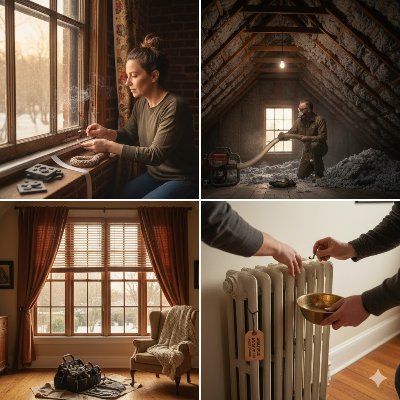
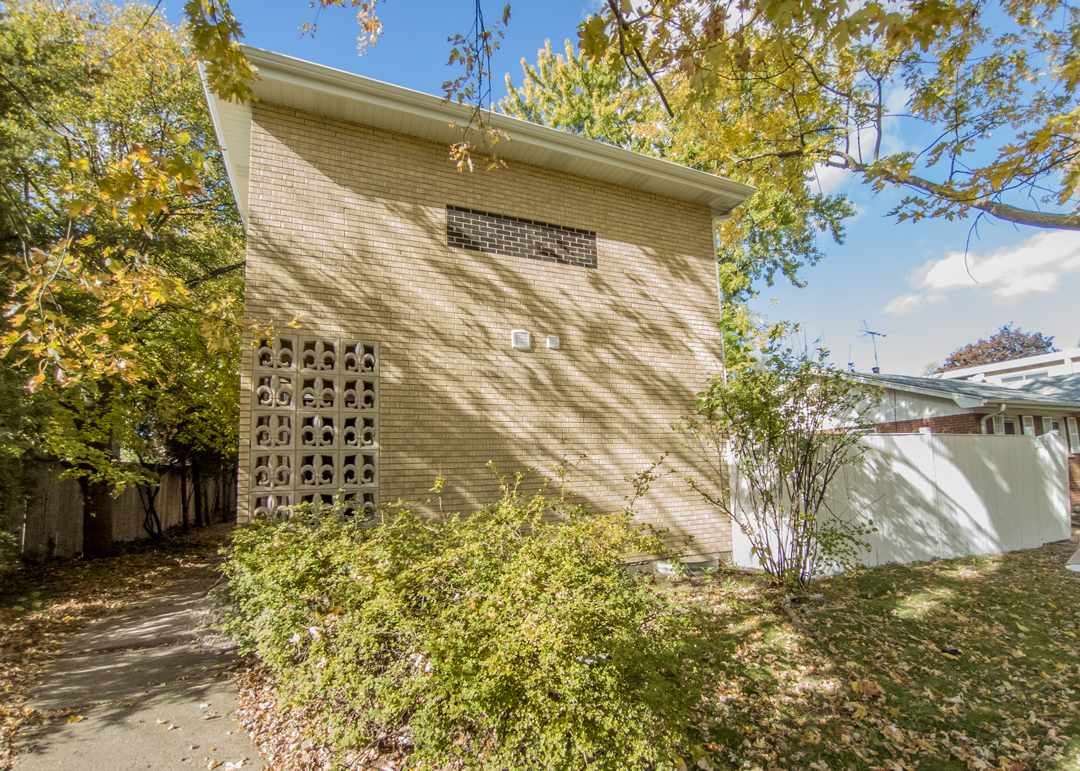
There's an undeniable charm to an old house. The creaking floors, the unique architectural details, the sense of history within its walls – it's a character you just can't find in newer builds. But let's be honest, that character can sometimes come with a chilly downside. Old houses, bless their hearts, weren't always built with modern insulation standards in mind. This often means higher heating bills and drafty rooms that make you want to live in a perpetual state of blanket cocooning.
Fear not, fellow old-house dwellers! You don't have to choose between historical charm and cozy comfort. With a few strategic tips and a bit of elbow grease, you can significantly improve your home's warmth and efficiency without sacrificing its unique appeal. Here are four homeowner tips to help keep your old house warm this winter:
1. Embrace the Power of the Seal: Tackle Those Drafts!
This is perhaps the most impactful and often overlooked step. Old houses are notorious for drafts, which can account for a significant amount of heat loss. Think of your home as a giant sieve – every little crack and gap is letting precious warm air escape and cold air creep in.
Windows and Doors: Inspect all your windows and doors. Are there gaps around the frames? Is the weatherstripping old, cracked, or missing? For windows, consider applying temporary window insulation film, which acts like a second pane of glass. For doors, replace worn weatherstripping and add a draft stopper (also known as a door snake) at the bottom.
Electrical Outlets and Switch Plates: Believe it or not, cold air can seep through these seemingly innocuous spots. Pick up some inexpensive foam gaskets designed for outlets and switches at your local hardware store.