By Erin Booker
Prior to becoming a real estate advisor, I worked for over 35 years in early childhood. I am enormously proud of this experience, the skills I developed, and the contributions I made to the field.
With this and future articles, I hope to merge the two professions I love by providing tips for families with young children -- those searching for a new home or those wanting to optimize an existing space.
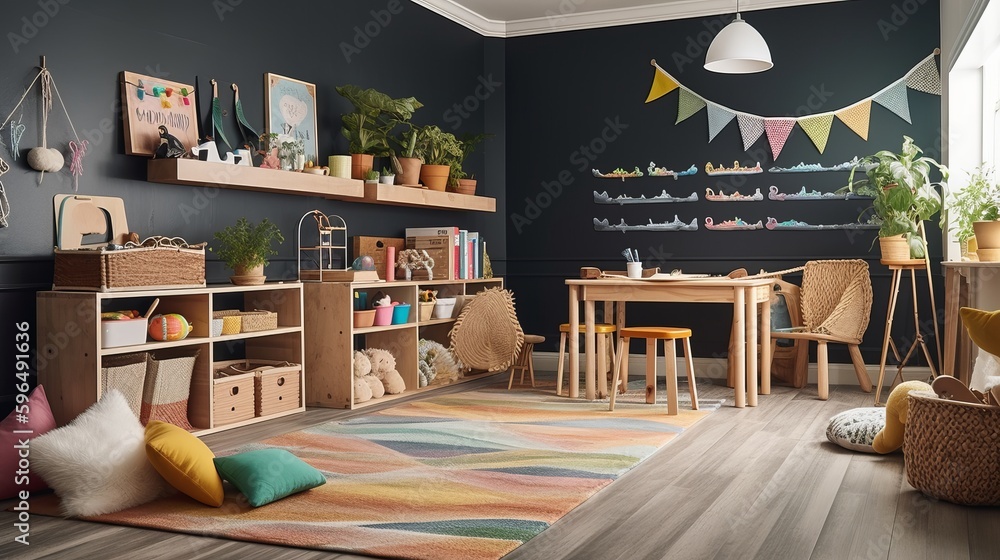
Today's tip: building a child's playroom. If you are fortunate enough to have a space dedicated to your little one's play, here are some things to consider.
But first, a word about playrooms. A playroom should support the development and learning of young children through play. Play is a crucial aspect of a child's development, as it helps them explore the world, develop social skills, enhance cognitive abilities, and stimulate creativity. Playrooms created with these goals provide an environment that encourages safe, imaginative, and educational play.
Here are some key elements and considerations when designing an early childhood playroom:
Safety: Safety should be the top priority. Choose child-friendly furniture, toys, and materials that are non-toxic and free from small parts that could be a choking hazard.
Layout and Space: Arrange the playroom to have designated areas for different types of play, such as imaginative play, physical activity, and quiet reading. Keep in mind that children need enough space to move around freely.
Colors and Decor: Use bright and inviting colors that stimulate a child's senses. Incorporate child-friendly decorations like murals, wall decals, and posters that showcase characters or themes that appeal to young children.
Furniture: Select child-sized furniture like tables, chairs, and storage units. Child-sized furniture promotes independence and allows children to engage comfortably in various activities.
Storage: Organize the playroom with ample storage solutions such as shelves, bins, and baskets. Clear labels or picture labels can help children identify where toys and materials should be placed after play.
Open-ended Toys: Provide toys and materials that encourage creativity and open-ended play. Examples include building blocks, playdough, art supplies, dolls, and dress-up clothes. These types of toys allow children to use their imagination and creativity freely.
Imaginative Play Area: Set up a space for imaginative play, such as a play kitchen, dollhouse, or puppet theater. This area encourages role-playing and social interaction.
Reading Nook: Create a cozy reading corner with a variety of age-appropriate books. Use soft seating, pillows, and good lighting to make it an inviting space for children to explore books.
Sensory Activities: Incorporate sensory experiences like sensory tables filled with materials like sand, water, rice, or beans. Sensory play helps children explore textures, develop fine motor skills, and engage their senses.
Interactive Learning: Integrate educational toys and games that promote learning through play. This could include puzzles, educational games, and STEM-oriented toys.
Wall Space: Utilize wall space for interactive elements like chalkboards, whiteboards, or magnetic boards. Children can draw, write, and engage in various learning activities.
Music and Movement: Include space for music and movement activities. You could have musical instruments, a small dance area, or even a mini indoor climbing structure.
Flexibility: Design the playroom in a way that allows for flexibility. Plan to rotate toys and materials to keep the space engaging and exciting over time.
Parental Supervision: Ensure the playroom provides a way for parents or caregivers to supervise children easily, without impeding their play.
Remember, an early childhood playroom should evolve as the child grows and their interests change. Regularly assess the space to ensure it continues to meet the child's evolving developmental needs.